Play With Maths
One playful lesson for every principle in your NCERT maths book, in book order.
Chapter 1 Patterns in Mathematics
 1 Mathematics as the search for patterns Find it. Then explain it.
 2 Number theory Patterns hiding in 0, 1, 2, 3…
 3 Key number sequences The Sequence Zoo
 4 Visualising sequences with pictures Numbers you can see
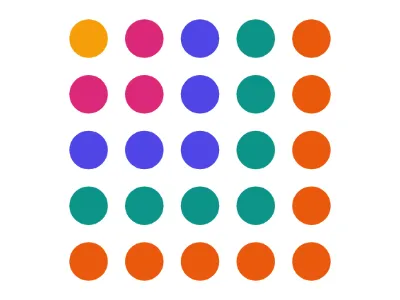 5 Adding odd numbers gives squares Odd numbers build squares
 6 Up-and-down sums and square numbers Up the hill, down the hill
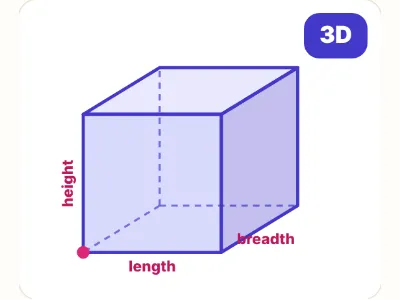 7 Geometry From a dot to a cube
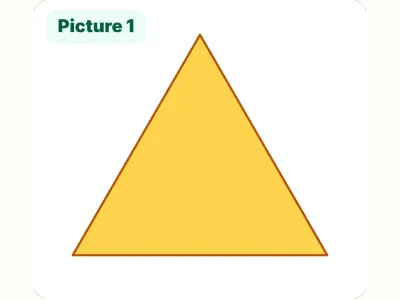 8 Key shape sequences Shapes that grow by a rule
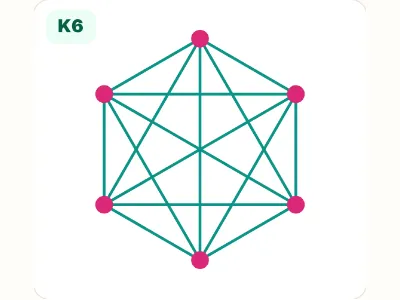 9 Shape sequences relate to number sequences Count the shapes, find the numbers
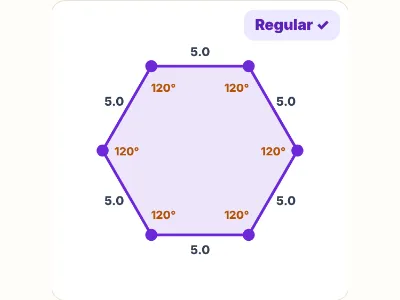 10 Regular polygons What makes a shape regular?
Chapter 2 Lines and Angles
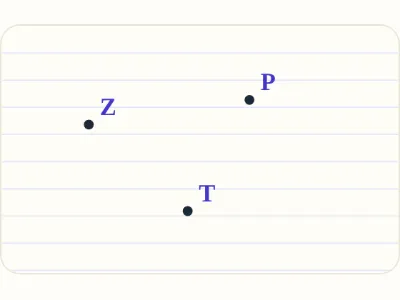 1 Point How big is a point?
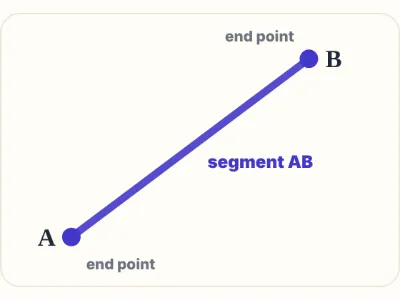 2 Line segment The shortest way from A to B
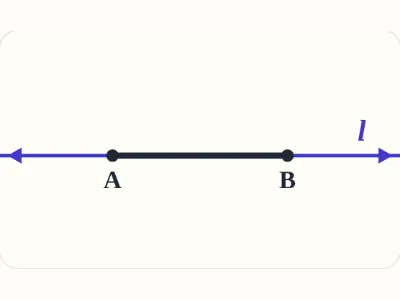 3 Line Go looking for the end
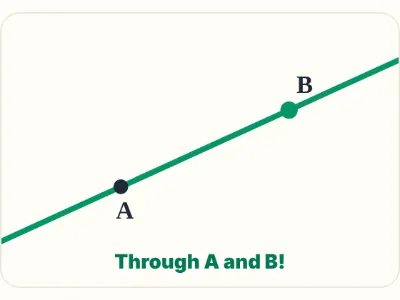 4 Two points determine a line One point is loose. Two points lock it.
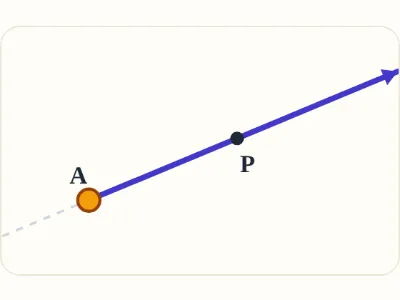 5 Ray Start here, never stop
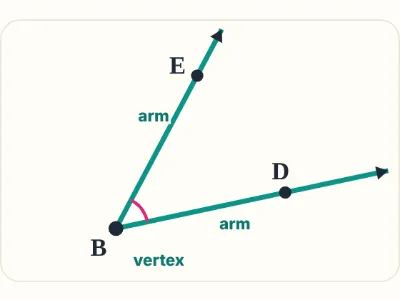 6 Angle, vertex and arms Two rays, one corner
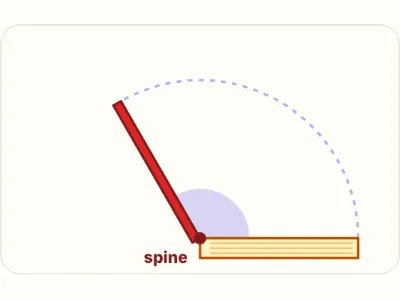 7 Size of an angle is rotation An angle is a turn
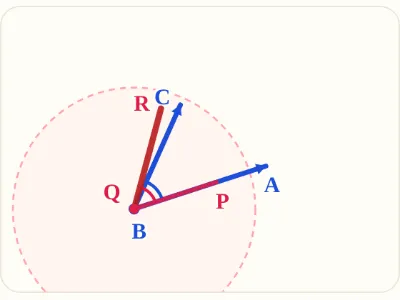 8 Comparing angles by superimposition Put one angle on top of the other
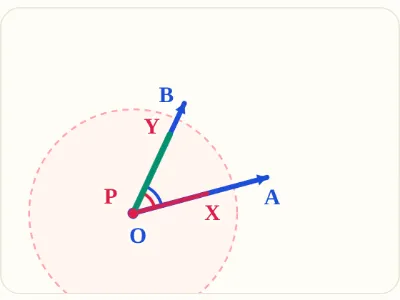 9 Equal angles When are two angles equal?
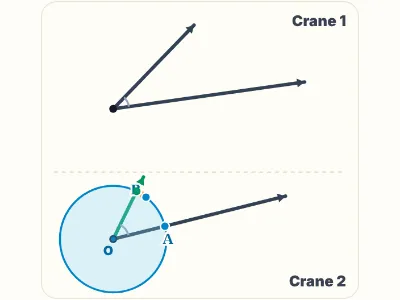 10 Comparing angles with a circle The see-through circle trick
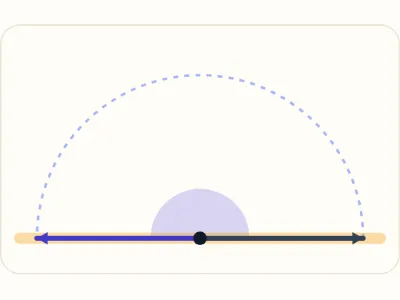 11 Straight angle Half a turn makes a straight line
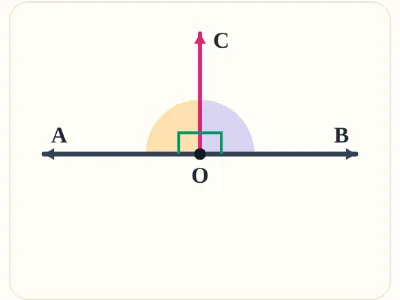 12 Right angle Fold a straight angle in half
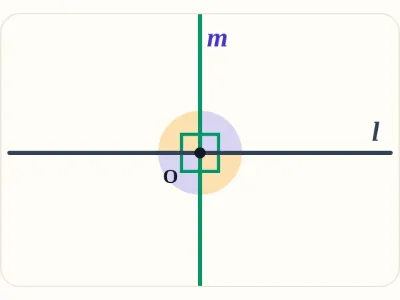 13 Perpendicular lines Lines that cross square-on
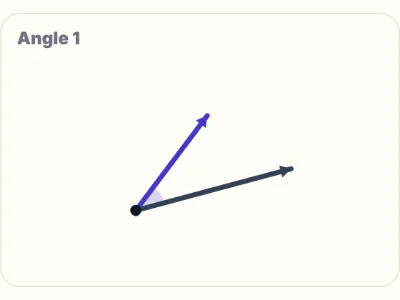 14 Acute and obtuse angles Sharp or blunt?
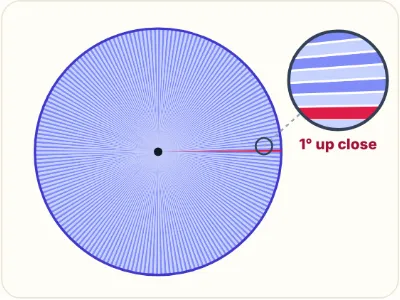 15 The degree A tiny slice called a degree
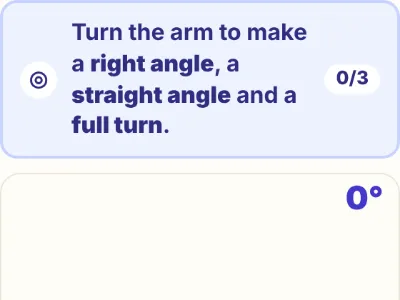 16 Full, straight and right angles in degrees 360, then half, then half again
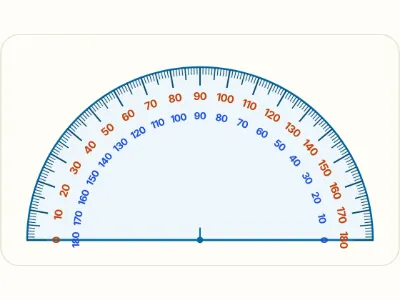 17 Protractor Build your own protractor
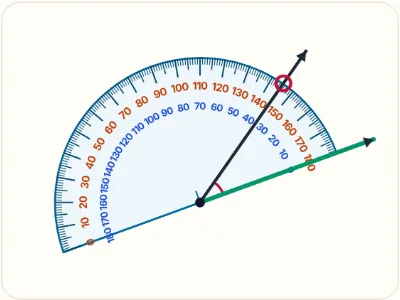 18 Measuring an angle with a protractor Start at zero, read the answer
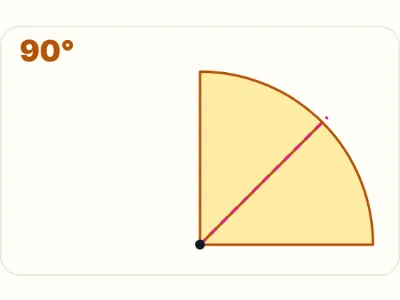 19 Angle bisector Fold an angle in half
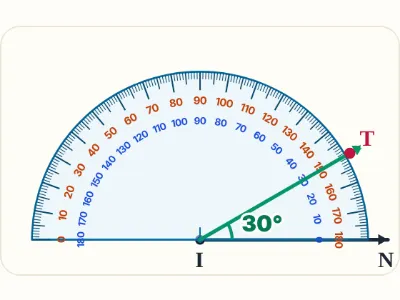 20 Drawing an angle with a protractor Draw any angle in four steps
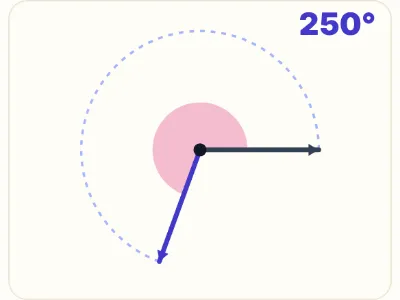 21 Reflex angle Past the straight line
Chapter 3 Number Play
Chapter 4 Data Handling and Presentation
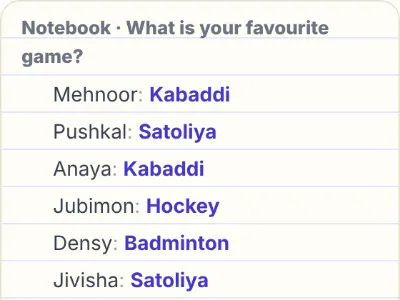 1 Data What is data?
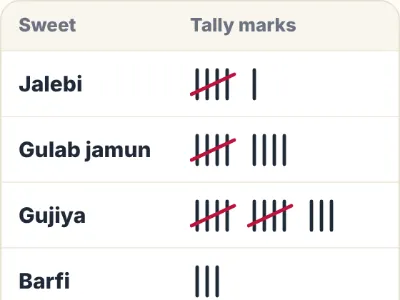 2 Organising data with tally marks Keep count with tally marks
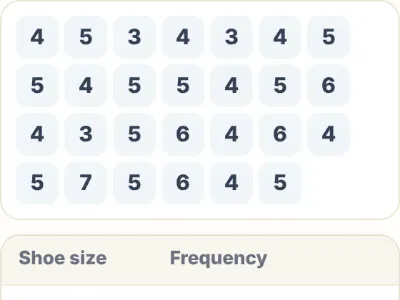 3 Frequency How often does it occur?
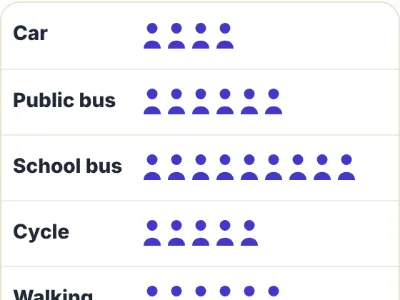 4 Pictographs Data you can read at a glance
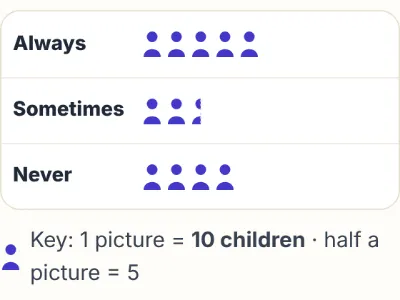 5 Scale or key of a pictograph One picture can stand for many
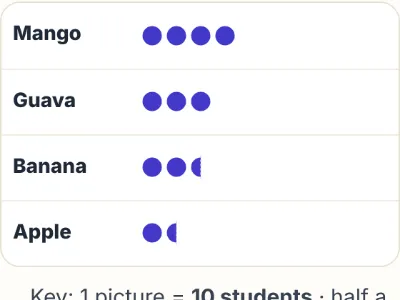 6 Drawing a pictograph Draw your own pictograph
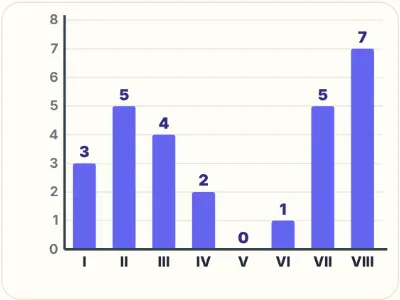 7 Bar graphs From pictures to bars
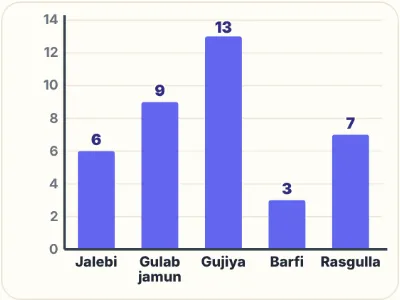 8 Drawing a bar graph Draw your own bar graph
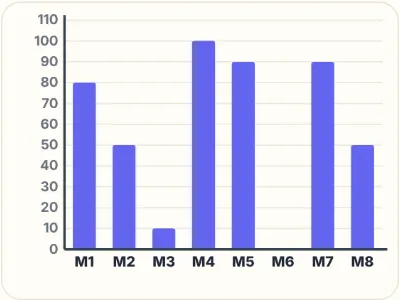 9 Choosing the scale of a bar graph Pick a scale that fits
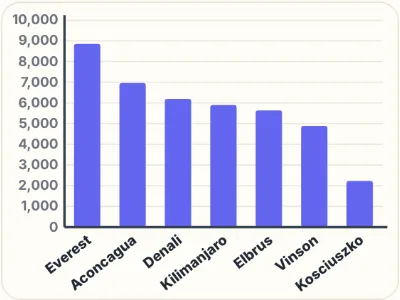 10 Column graphs and bar direction Up like mountains, across like roads
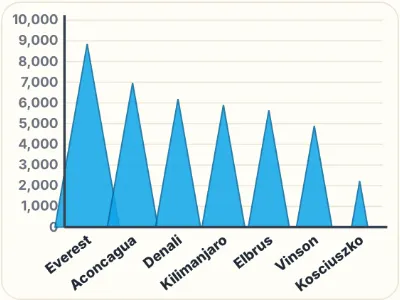 11 Infographics Make data beautiful
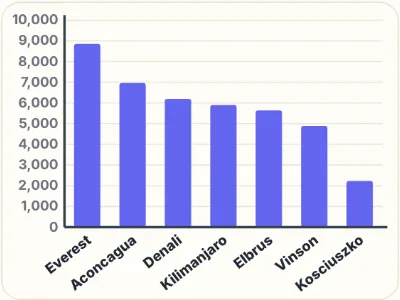 12 Fancy visuals can mislead Pretty, but is it true?
Chapter 5 Prime Time
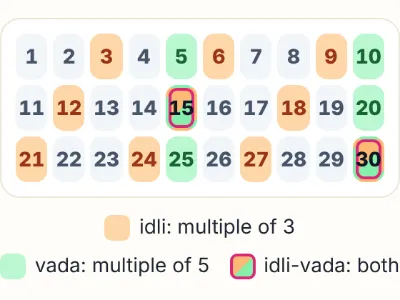 1 Common multiples Idli, vada, idli-vada!
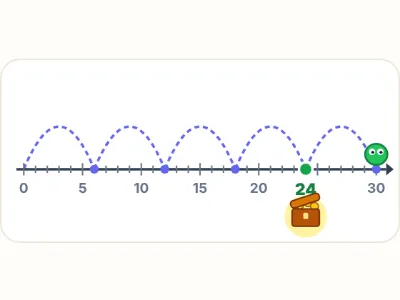 2 Factors or divisors Jump onto the treasure
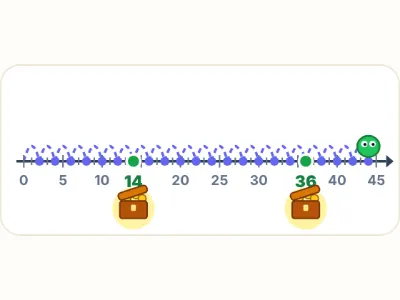 3 Common factors Two treasures, one jump size
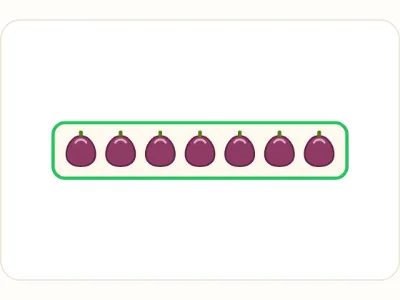 4 Prime numbers Figs that won't make a rectangle
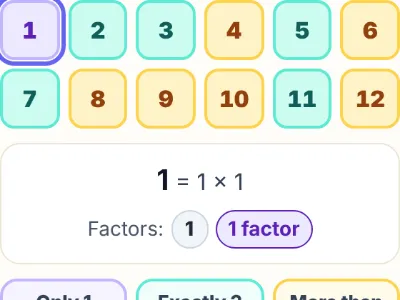 5 Composite numbers and the number 1 Count the factors
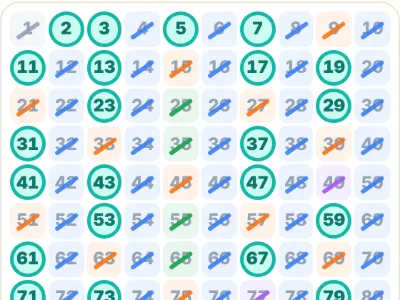 6 Sieve of Eratosthenes Sieve out the primes
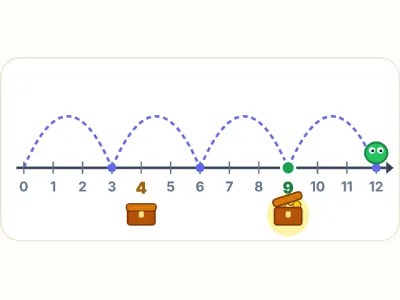 7 Co-prime numbers Safe pairs for the treasure
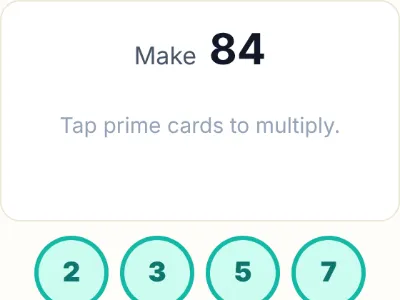 8 Prime factorisation and prime factors Build numbers from primes
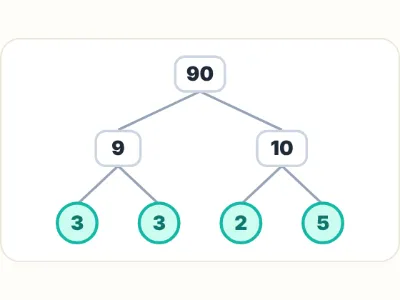 9 Finding a prime factorisation Break it down to primes
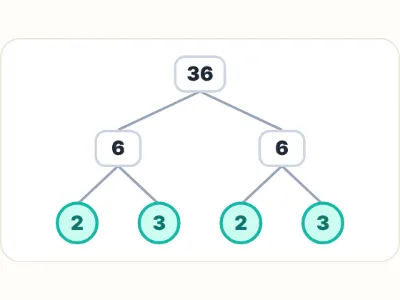 10 Prime factorisation is unique Different trees, same primes
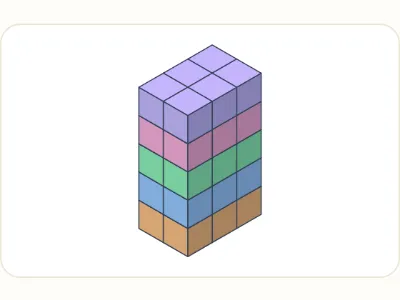 11 Order of multiplication does not matter Turn the box
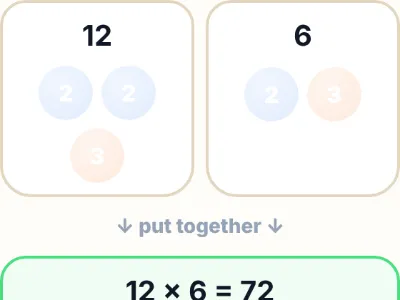 12 Prime factorisation of a product Pour the primes together
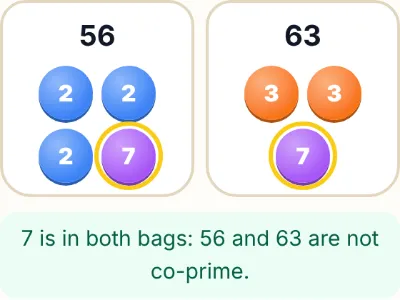 13 Checking co-primes by prime factorisation Hidden common factors
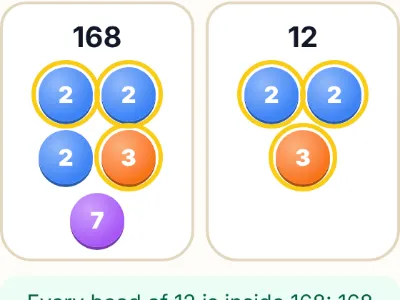 14 Divisibility through prime factorisation Does one bag fit inside?
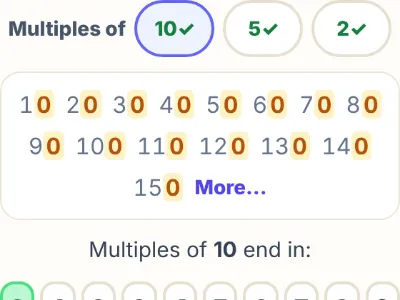 15 Divisibility by 10, 5 and 2 Just look at the last digit
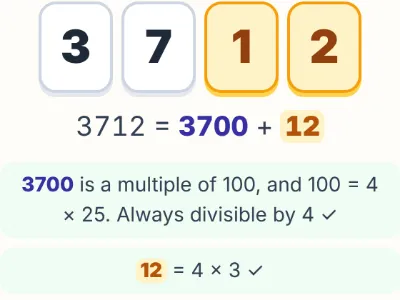 16 Divisibility by 4 Two digits decide for 4
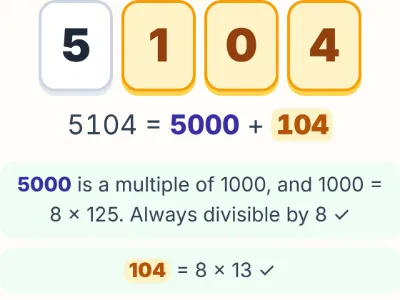 17 Divisibility by 8 Three digits decide for 8
Chapter 6 Perimeter and Area
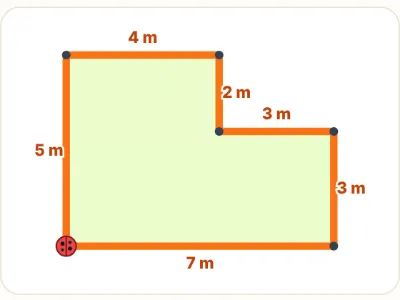 1 Perimeter Once around the edge
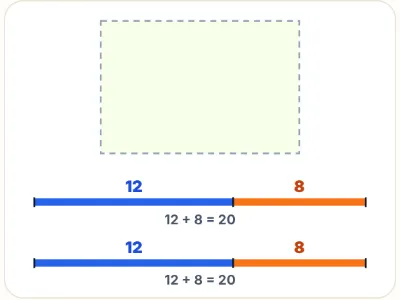 2 Perimeter of a rectangle Unroll a rectangle
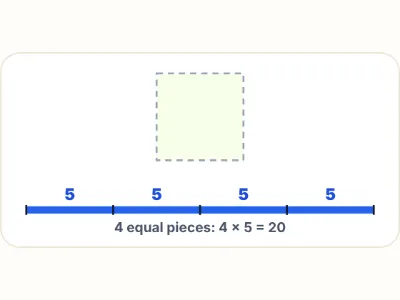 3 Perimeter of a square Four equal sides
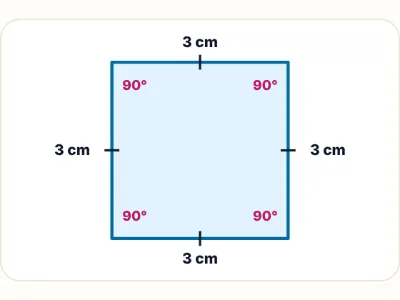 4 Regular polygons Equal sides and equal angles
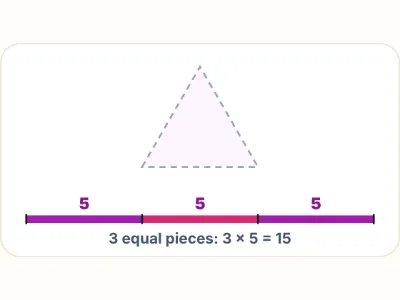 5 Perimeter of an equilateral triangle Three equal sides
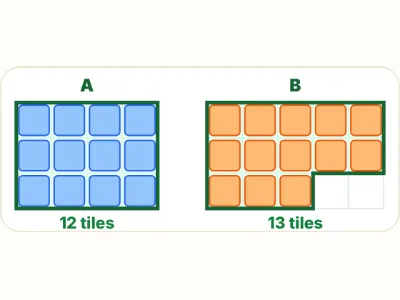 6 Area Cover it with squares
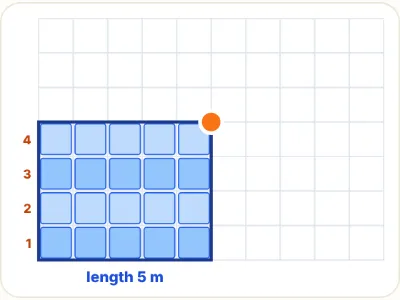 7 Area of a rectangle and a square Rows of squares
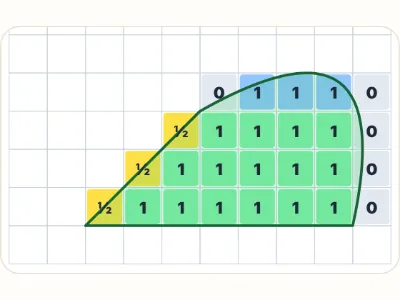 8 Estimating area on squared paper Squares that are partly inside
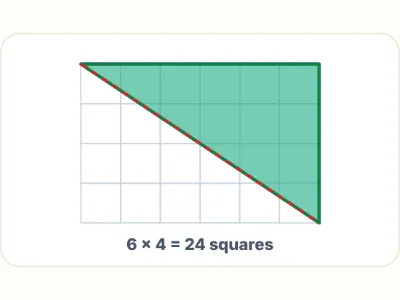 9 A diagonal halves a rectangle Cut along the diagonal
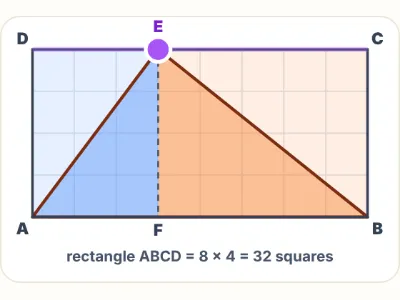 10 Triangle on a side of a rectangle Slide the top corner
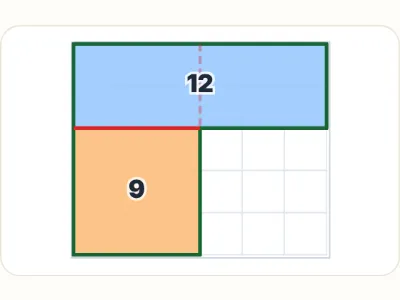 11 Finding area by breaking into parts Cut it into pieces
Chapter 7 Fractions
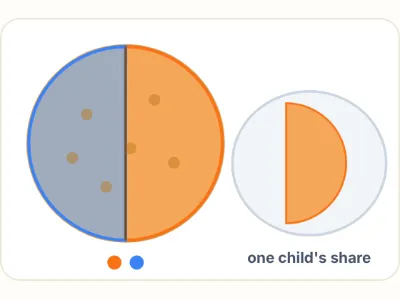 1 Fraction as an equal share Share the roti
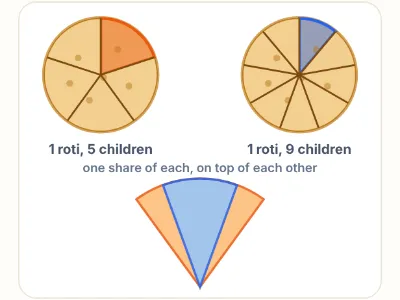 2 More sharers, smaller share More children, smaller pieces
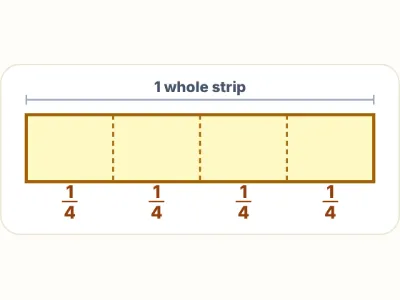 3 Fractional units Fold the strip
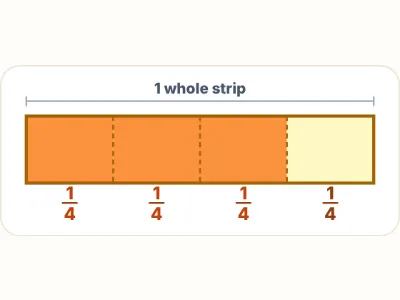 4 Fractions as counts of fractional units Count the units
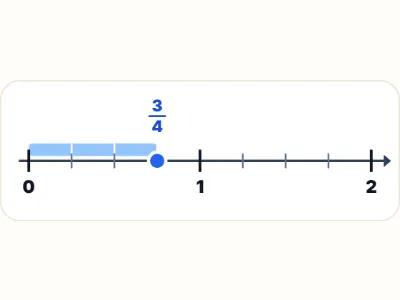 5 Fractions on the number line Fractions live on the number line
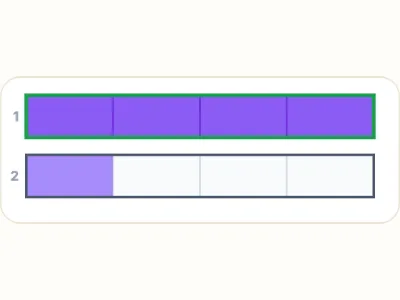 6 Fractions less than and greater than 1 Less than, equal to, more than 1
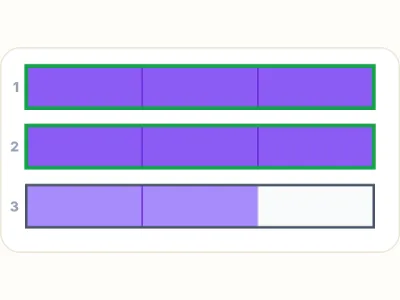 7 Mixed numbers Wholes and a bit more
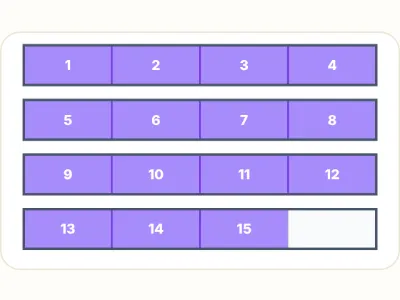 8 Writing a mixed number as a fraction Break the wholes
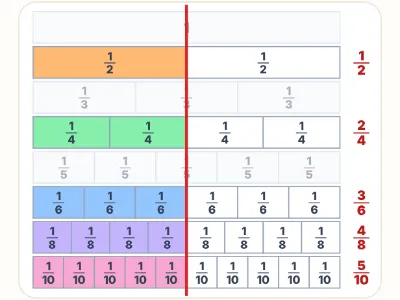 9 Equivalent fractions Same size, different names
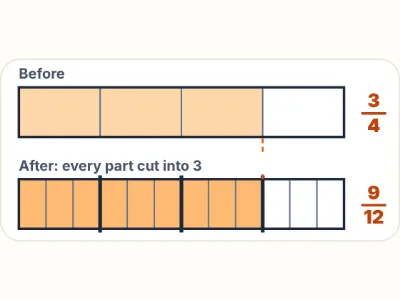 10 Making equivalent fractions Cut every part
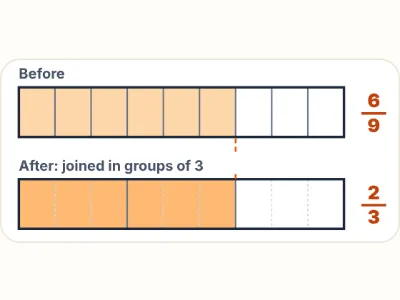 11 Lowest terms As small as possible
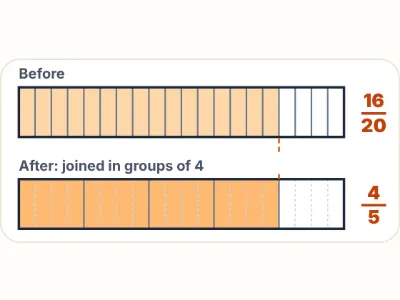 12 Reducing a fraction to lowest terms One big step or many small ones
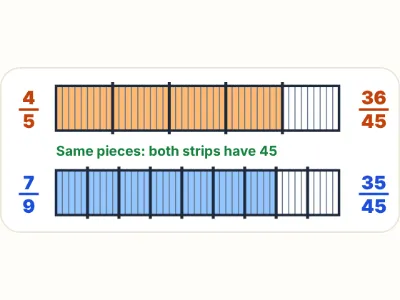 13 Comparing fractions Same pieces, then count
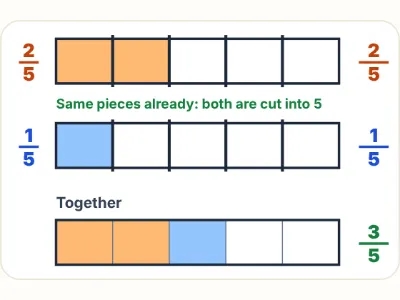 14 Adding fractions with the same denominator Fifths plus fifths are fifths
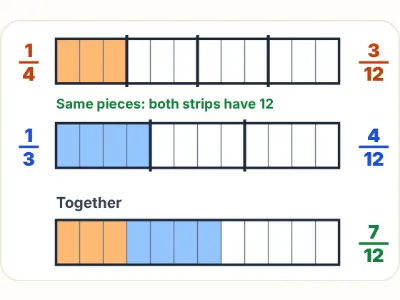 15 Brahmagupta's method for adding fractions Brahmagupta's way to add
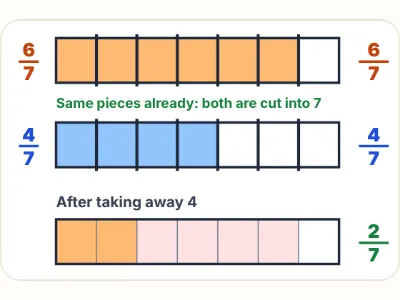 16 Subtracting fractions with the same denominator Take away the pieces
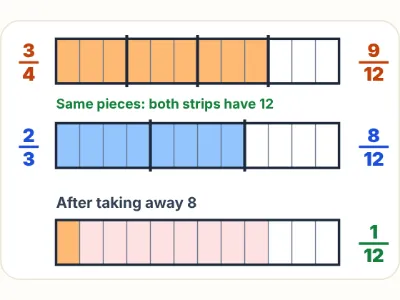 17 Brahmagupta's method for subtracting fractions Brahmagupta's way to subtract
Chapter 8 Playing with Constructions
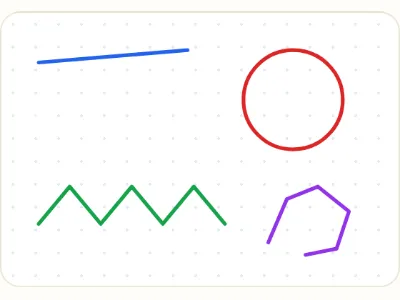 1 Curves Everything you draw is a curve
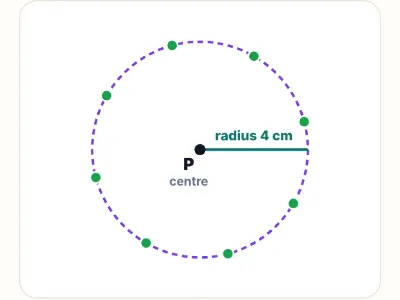 2 Circle, centre and radius All the points 4 cm away
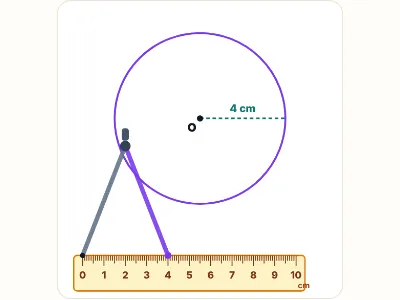 3 Drawing a circle with a compass Open the compass to the radius
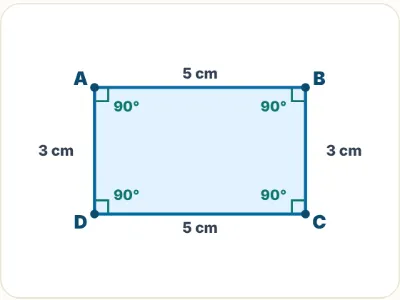 4 Properties of a rectangle What makes a rectangle
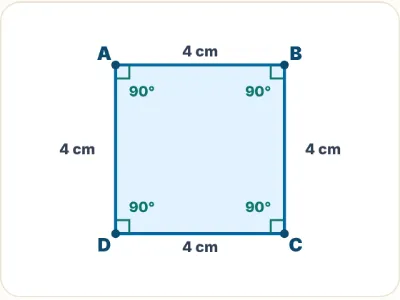 5 Properties of a square What makes a square
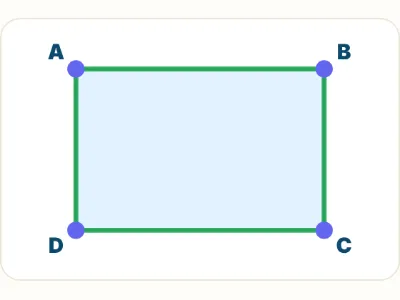 6 Naming a rectangle Walk round to name it
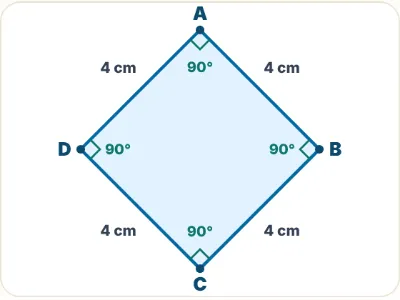 7 Rotation keeps squares and rectangles Turn it, it stays a square
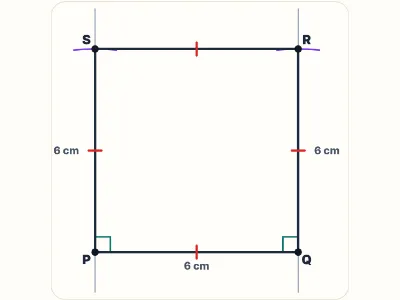 8 Constructing a square or rectangle Build a square of side 6 cm
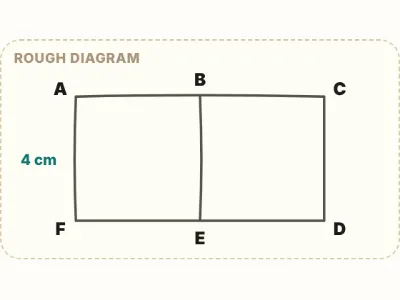 9 Planning with a rough diagram Sketch first, then construct
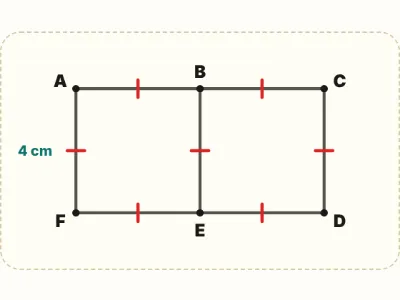 10 Marking equal sides Same mark, same length
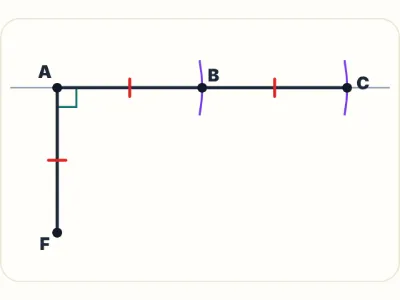 11 Transferring a length with a compass The compass remembers a length
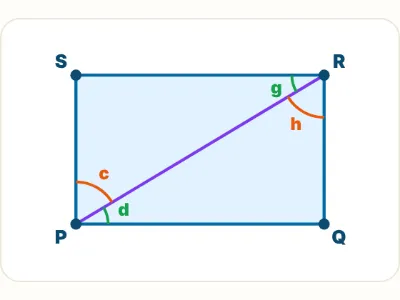 12 Diagonals and opposite angles Corner to opposite corner
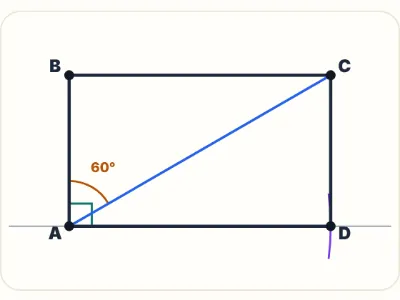 13 Completing a rectangle from three corners The fourth corner, two ways
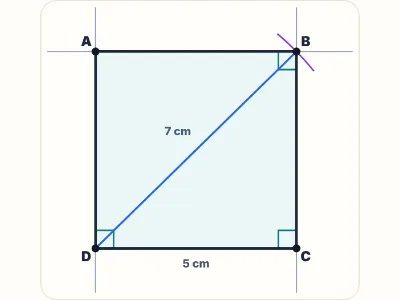 14 Rectangle from a side and a diagonal A side and a diagonal
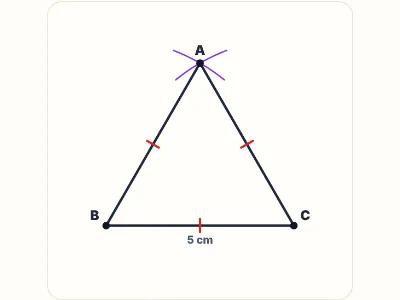 15 Point equidistant from two points The roof of the house
Chapter 9 Symmetry
 1 Symmetry Parts that repeat
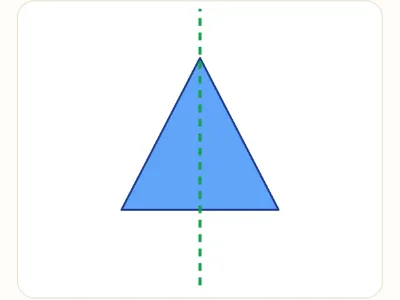 2 Line of symmetry The fold test
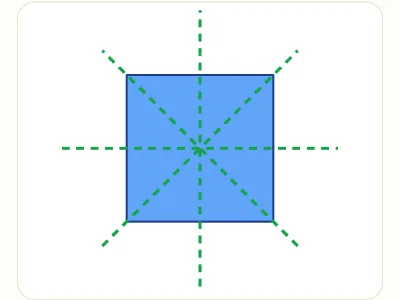 3 Multiple lines of symmetry How many folds work?
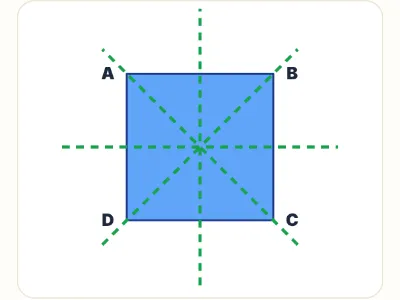 4 Reflection symmetry Where does each corner go?
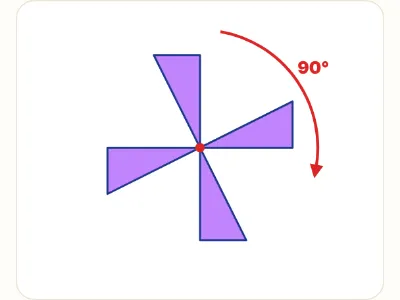 5 Rotational symmetry and centre of rotation Turn it and it looks the same
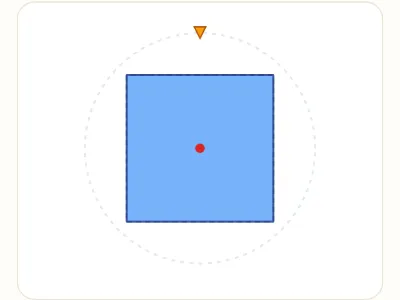 6 Angle of symmetry Angles of symmetry
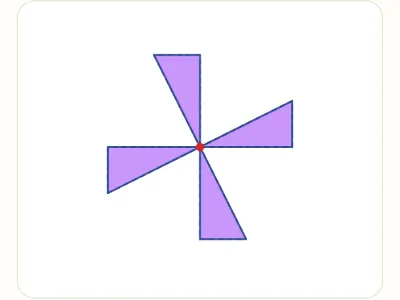 7 Line and rotational symmetry are independent Fold test, turn test
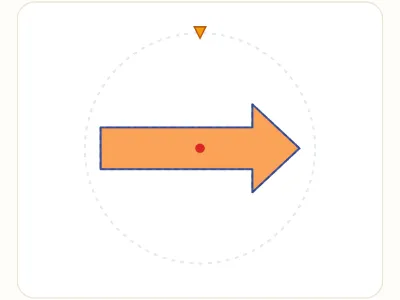 8 360° is always an angle of symmetry The full turn always works
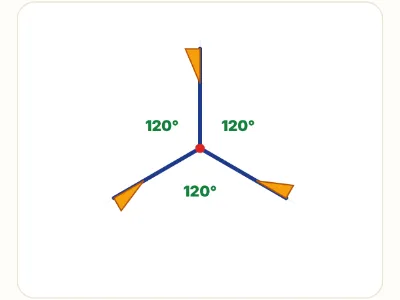 9 Rotational symmetry with three radial arms Three arms, equal angles
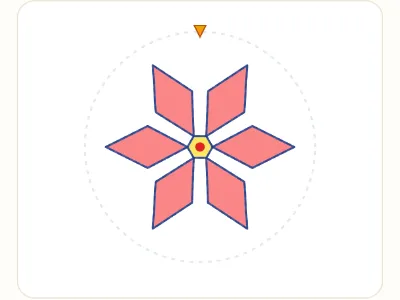 10 Smallest angle of symmetry divides 360 The smallest turn divides 360
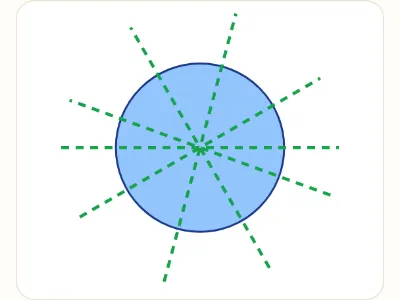 11 Symmetries of a circle The circle: every angle, every diameter
Chapter 10 The Other Side of Zero
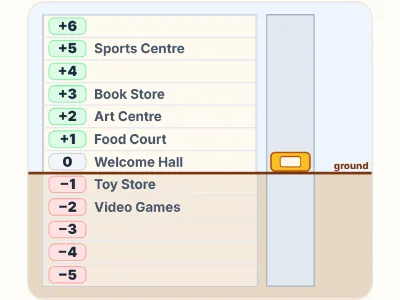 1 Positive and negative numbers Floors above and below
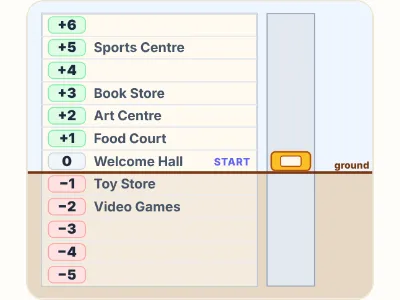 2 Numbers as positions and movements A place and a move
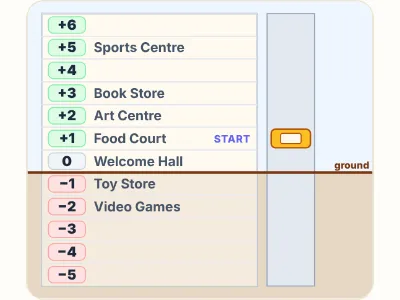 3 Addition as movement Start + Movement = Target
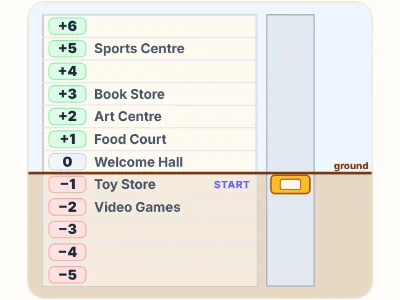 4 Combining movements is addition Gurmit's mistake
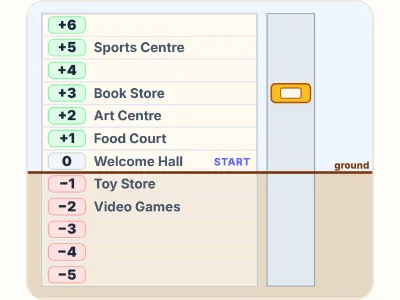 5 Additive inverse Back to zero
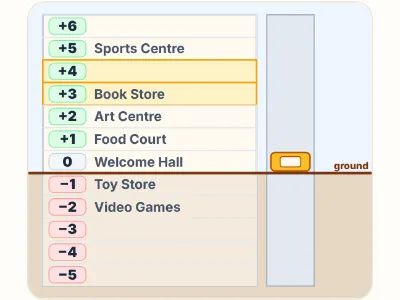 6 Comparing integers Lower means smaller
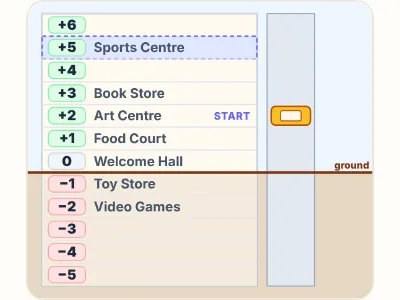 7 Subtraction as the movement needed Which button do I press?
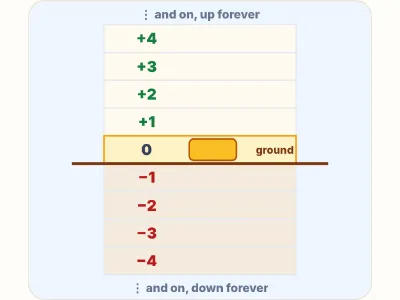 8 Integers Going down forever
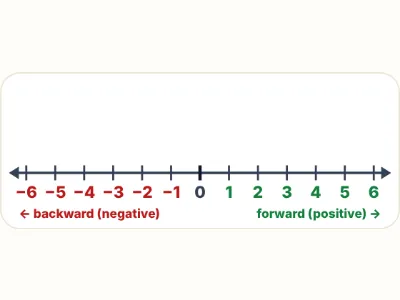 9 Completing the number line The other side of zero
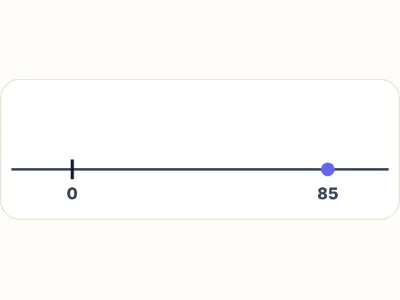 10 Unmarked number line Only zero is marked
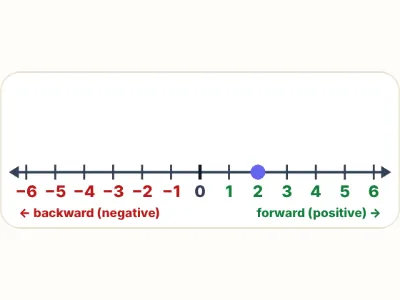 11 Subtraction as adding the inverse Subtract = add the inverse
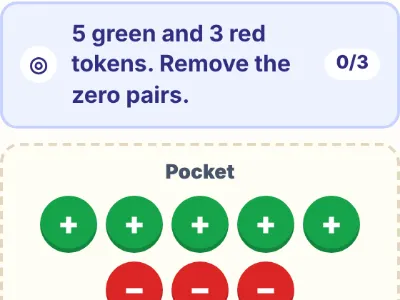 12 Tokens and zero pairs Zero pairs
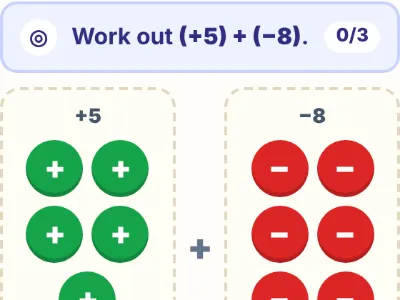 13 Adding integers with tokens Add with tokens
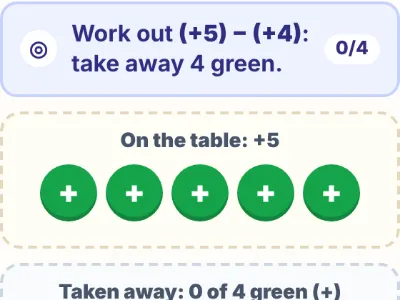 14 Subtracting integers with tokens Take away with tokens
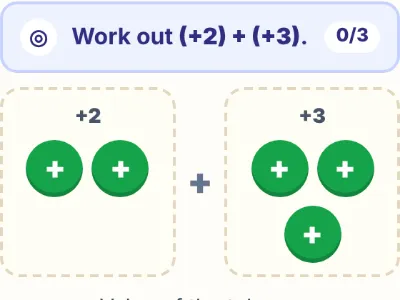 15 Adding numbers with the same sign Same signs: add and keep the sign
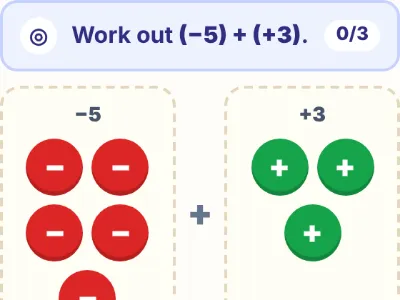 16 Adding a positive and a negative number Different signs: subtract, keep the greater's sign
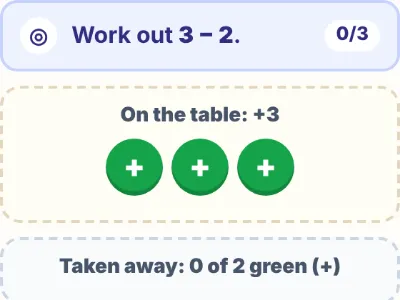 17 Subtracting positive numbers 3 − 2 and 2 − 3
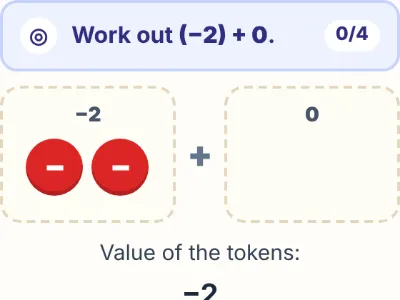 18 Adding and subtracting with zero Zero's rules